
Ant Species Search
Featured Ant Species
Camponotus pennsylvanicus
Common Name: Black Carpenter Ant
Large, black ants found in forests and houses. Known for nesting in wood.
Atta cephalotes
Common Name: Leafcutter Ant
Famous for cutting leaves and growing fungus gardens. Native to Central and South America.
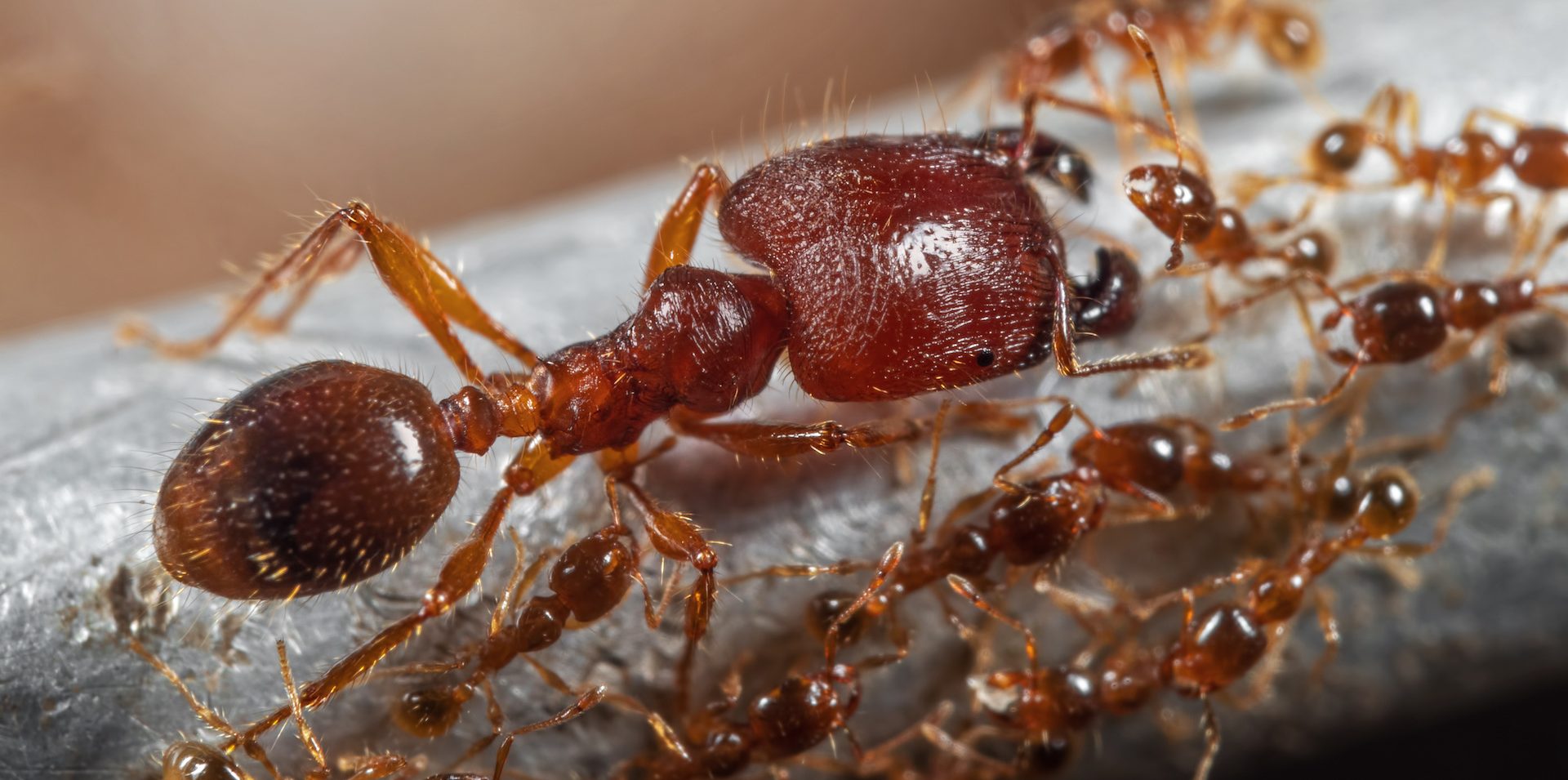
Pheidole megacephala
Common Name: Big-headed Ant
A cosmopolitan invasive species with distinct large-headed soldiers.
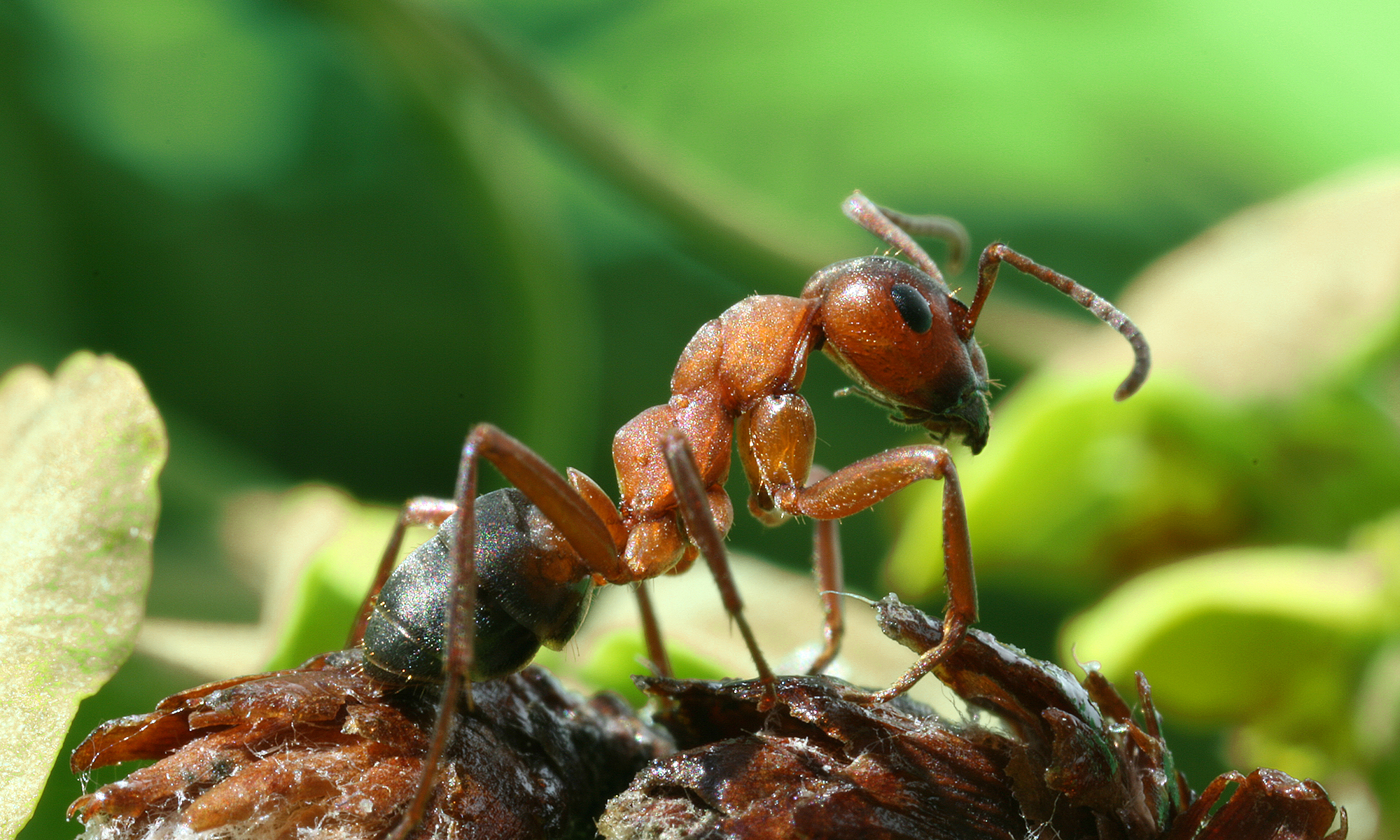
Formica rufa
Common Name: Red Wood Ant
Builds massive mound nests. Effective forest predators, found in Europe and Asia.
Solenopsis invicta
Common Name: Red Imported Fire Ant
Notorious for its painful sting and aggressive behavior. Native to South America, invasive in many regions.

Myrmica rubra
Common Name: European Fire Ant
Small red ants with a painful sting; common in Europe and invasive in North America.

Lasius niger
Common Name: Black Garden Ant
Common across Europe, these ants form large colonies and are often found in gardens and lawns.

Tetramorium caespitum
Common Name: Pavement Ant
Named for nesting under sidewalks and pavements; widespread in urban areas.

Polyrhachis dives
Common Name: Spiny Ant
Noted for their spiny appearance and nest-building in trees across Asia.

Odontomachus bauri
Common Name: Trap-jaw Ant
Famed for their spring-loaded jaws, used to capture prey and escape threats.
About Ants
What are Ants?
Ants are eusocial insects in the family Formicidae. They live in colonies with complex social structures. Ants are found on every continent except Antarctica.
Ant Diversity
There are over 13,000 described ant species, with estimates of up to 22,000 species worldwide. Ants can be found in rainforests, deserts, grasslands, and even cities.
Why Study Ants?
Ants play crucial ecological roles: they aerate soil, decompose organic material, disperse seeds, and regulate pest populations. Their societies inspire research in robotics and computing.